Insights
Ideas, reflections, and practical perspectives on emerging technology in business.
The pace of innovation can be overwhelming - but understanding it shouldn’t be. Whether it’s strategy, productivity, governance, or creativity, these are the conversations shaping how New Zealand organisations use emerging technology today - and how they’ll refine it tomorrow.
I once sat in a board meeting where the Chair declared that most people didn’t understand the word strategy. An awkward round of definition volleyball ensued - everyone batting around their own version, nobody quite sure who scored the point.
The underlying message was clear: strategy was the sacred domain of big-brained intellectuals.
“Victorious warriors win first and then go to war.” - Sun Tzu
AI isn’t a battlefield (thankfully), but in today’s competitive landscape, the organisations who succeed are the ones who prepare before they fight for market share.
They build capability. They build clarity. They build confidence.
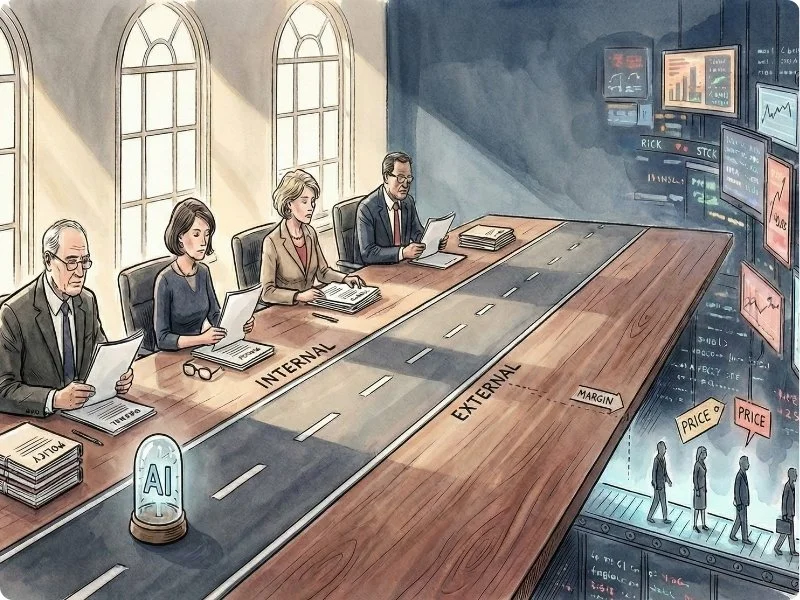
How to assess your competitive position when the rules are being rewritten.
Artificial intelligence isn’t just another technology trend - it’s a structural shift reshaping industries, business models, and entire markets. But with so much noise, hype, and rapid change, it can be hard for leaders to understand what AI actually means for their competitive position.
The companies, the people, and the power structures shaping the future of intelligence.
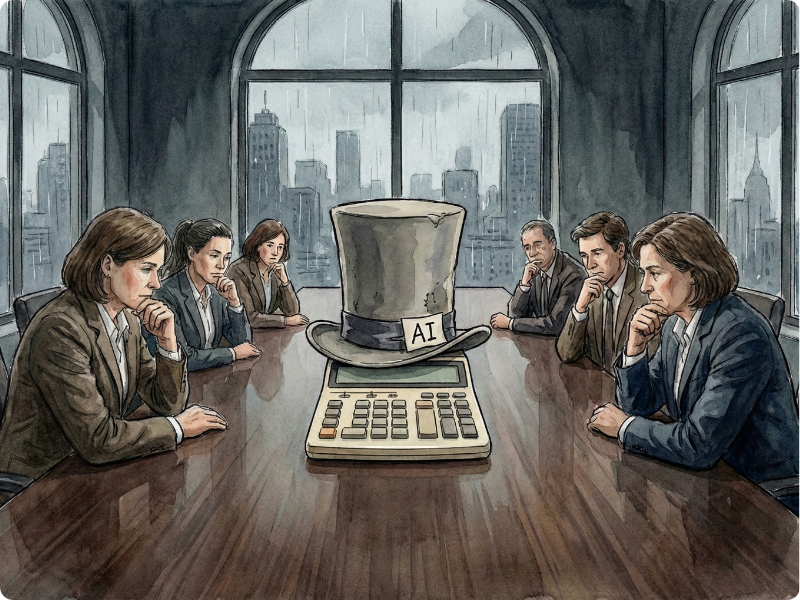
Artificial intelligence feels magical from the outside - but like every great illusion, it’s powered by human beings behind the curtain. Understanding who these people are, how their organisations operate, and what behaviours they display is essential for CEOs and business leaders who now rely on AI as part of their strategic landscape.
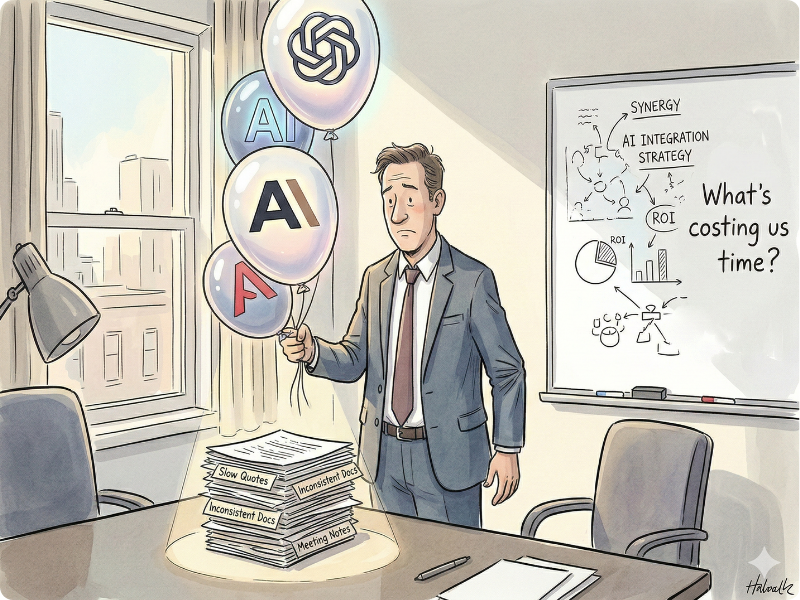
There is a quiet trend happening inside businesses right now: everything is being labelled an "AI project".
Some of these are genuinely strategic.
Some are useful experiments.
Some are... well, a spreadsheet with better marketing.
AI has already slipped quietly into daily work.
Someone in the office is using ChatGPT to draft emails. Another is generating lesson plans, summarising meeting notes, or experimenting with AI tools in Canva, Power BI, or Microsoft 365.
This early curiosity is incredibly valuable - it shows momentum, interest, and a desire to work smarter.
Ready to explore what’s possible?
Let’s start with a conversation.